Bathroom Refits: Planning, Costs, and Common Mistakes to Avoid
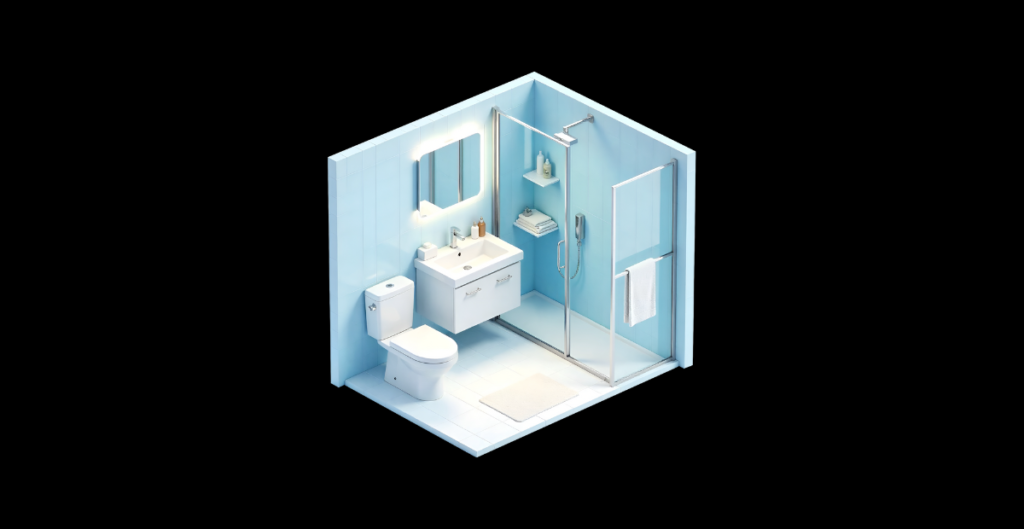
A bathroom refit is one of the most popular home improvement projects across Northern Ireland – and one of the most valuable when done properly. A well-planned bathroom upgrade improves daily comfort, increases property value, and can solve long-standing plumbing or layout issues.
However, bathroom refits also go wrong more often than people expect. Poor planning, unclear budgets, rushed decisions, or inexperienced trades can lead to delays, unexpected costs, and disappointing results.
This guide explains how to approach a bathroom refit the right way: how to plan it properly, what costs to expect, and the most common mistakes to avoid. Whether you’re upgrading a family bathroom, an en-suite, or a commercial washroom, this article will help you make informed decisions and get lasting results.
Why Bathroom Refits Are Different From Other Home Projects
Bathrooms are more complex than they appear. They combine:
-
Water supply and waste drainage
-
Pressure and temperature control
-
Ventilation and moisture management
-
Fixtures that must meet safety standards
-
Finishes that need to withstand daily use
Unlike painting or flooring, mistakes in a bathroom refit are not always visible straight away. Poor pipework, incorrect gradients, or badly sealed fittings can take months to show signs – by which time repairs are more disruptive and expensive.
That’s why careful planning and professional plumbing expertise are essential.
Step 1: Define the Purpose of the Bathroom
Before choosing tiles or fixtures, it’s important to be clear about how the bathroom will be used.
Ask yourself:
-
Who uses this bathroom most often?
-
Is it a main family bathroom, en-suite, guest bathroom, or commercial washroom?
-
Are accessibility or mobility considerations important?
-
Is water pressure currently an issue?
For example:
-
A family bathroom may prioritise durability and storage
-
An en-suite might focus on space efficiency
-
A rental property may need low-maintenance fittings
-
A business washroom must meet usage and hygiene demands
Clear priorities help guide layout decisions and budget allocation.
Step 2: Layout Planning – What Can (and Can’t) Be Moved
One of the biggest decisions in a bathroom refit is whether to keep the existing layout or change it.
Keeping the Existing Layout
Retaining the same positions for the toilet, basin, and shower/bath is usually the most cost-effective option. Existing pipework and drainage can often be reused, reducing labour and materials.
This approach works well when:
-
The current layout is practical
-
Space is limited
-
Budget needs to be controlled
Changing the Layout
Moving fixtures can improve usability, but it requires more plumbing work.
This may involve:
-
Re-routing water pipes
-
Altering waste pipe gradients
-
Lifting floors or opening walls
A professional plumber can advise what is realistically achievable within your property and budget.
🛁 Considering a layout change? Get professional advice before committing. Request a consultation.
Step 3: Understanding Bathroom Refit Costs in Northern Ireland
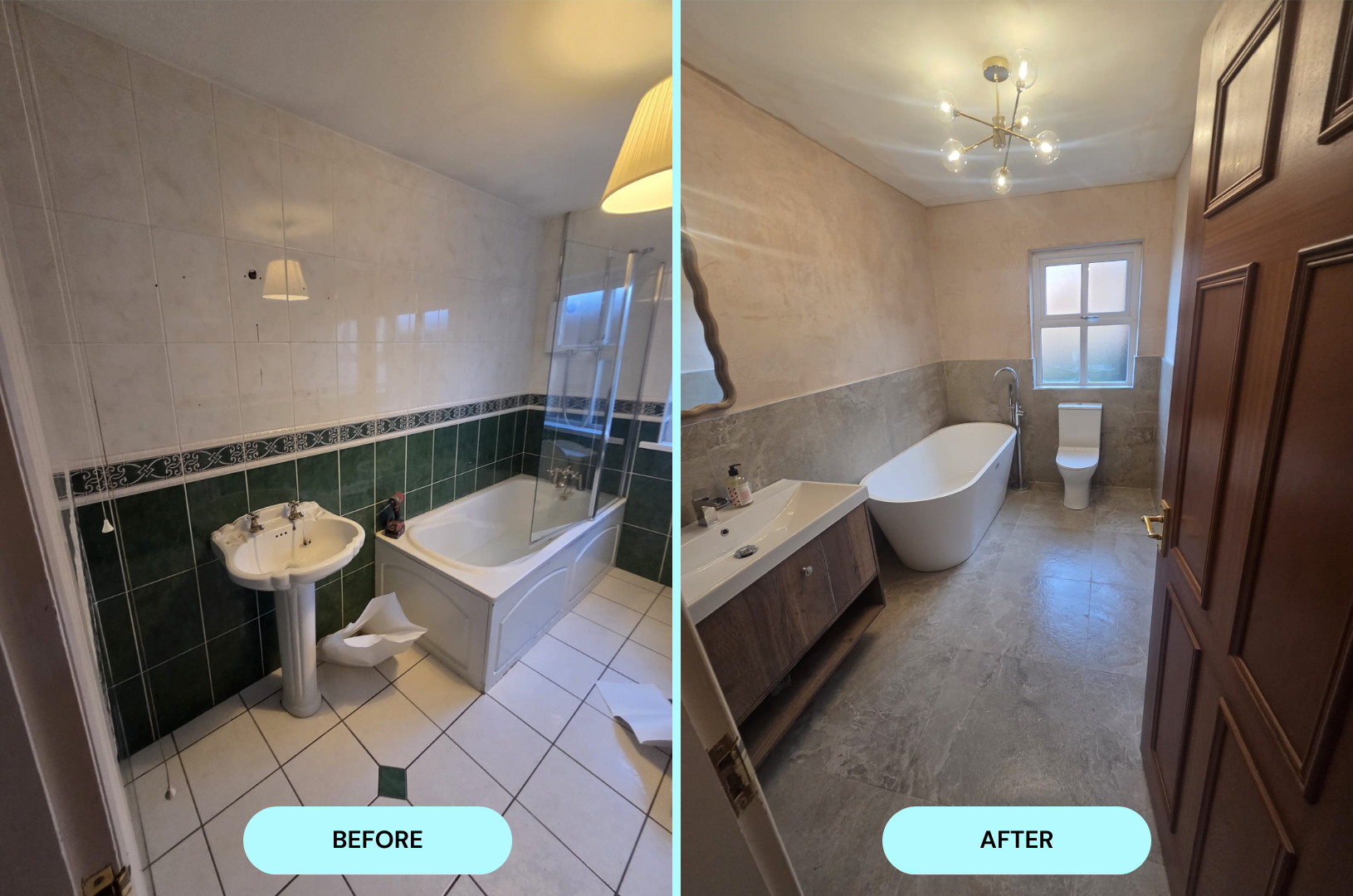
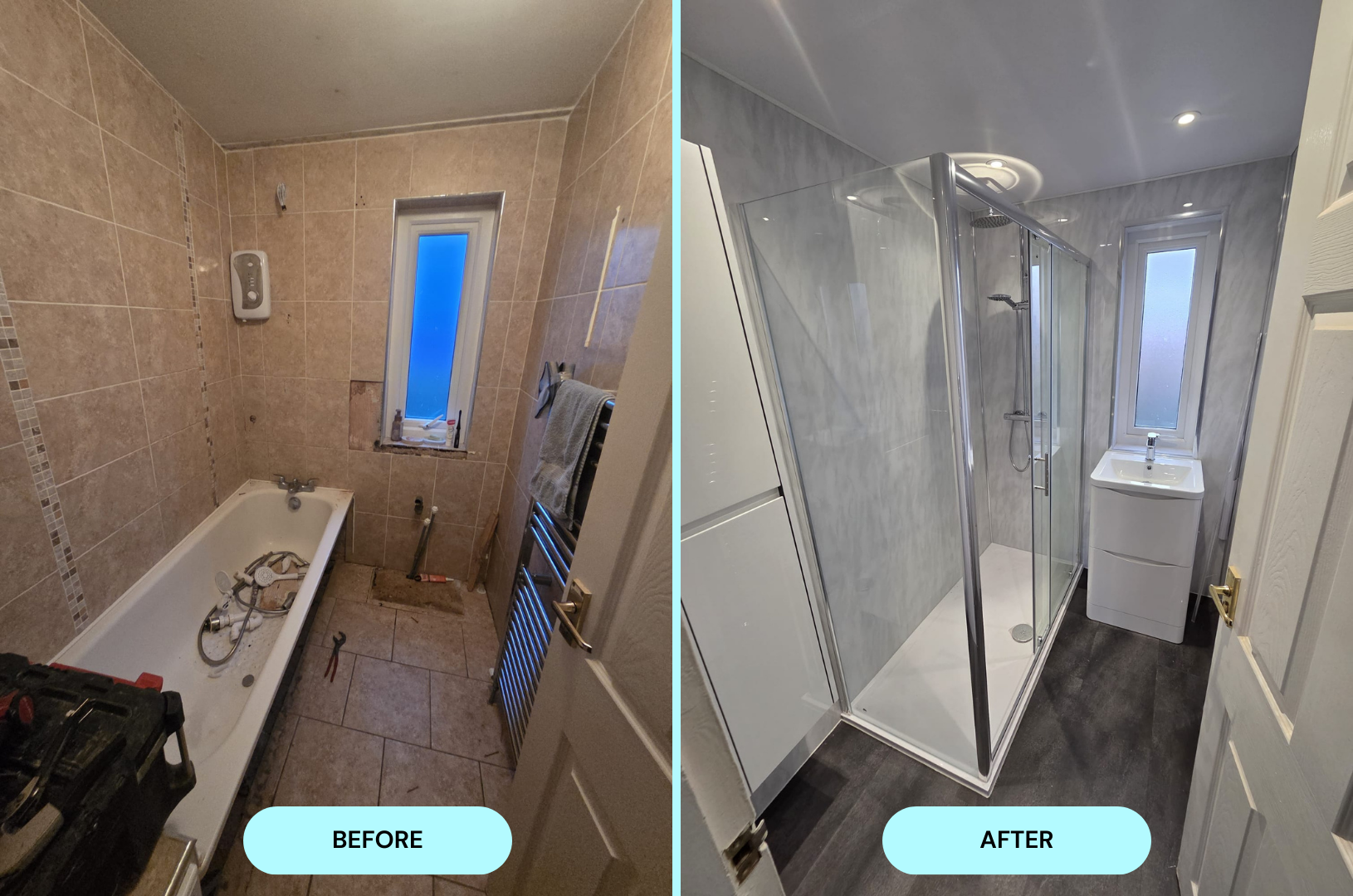
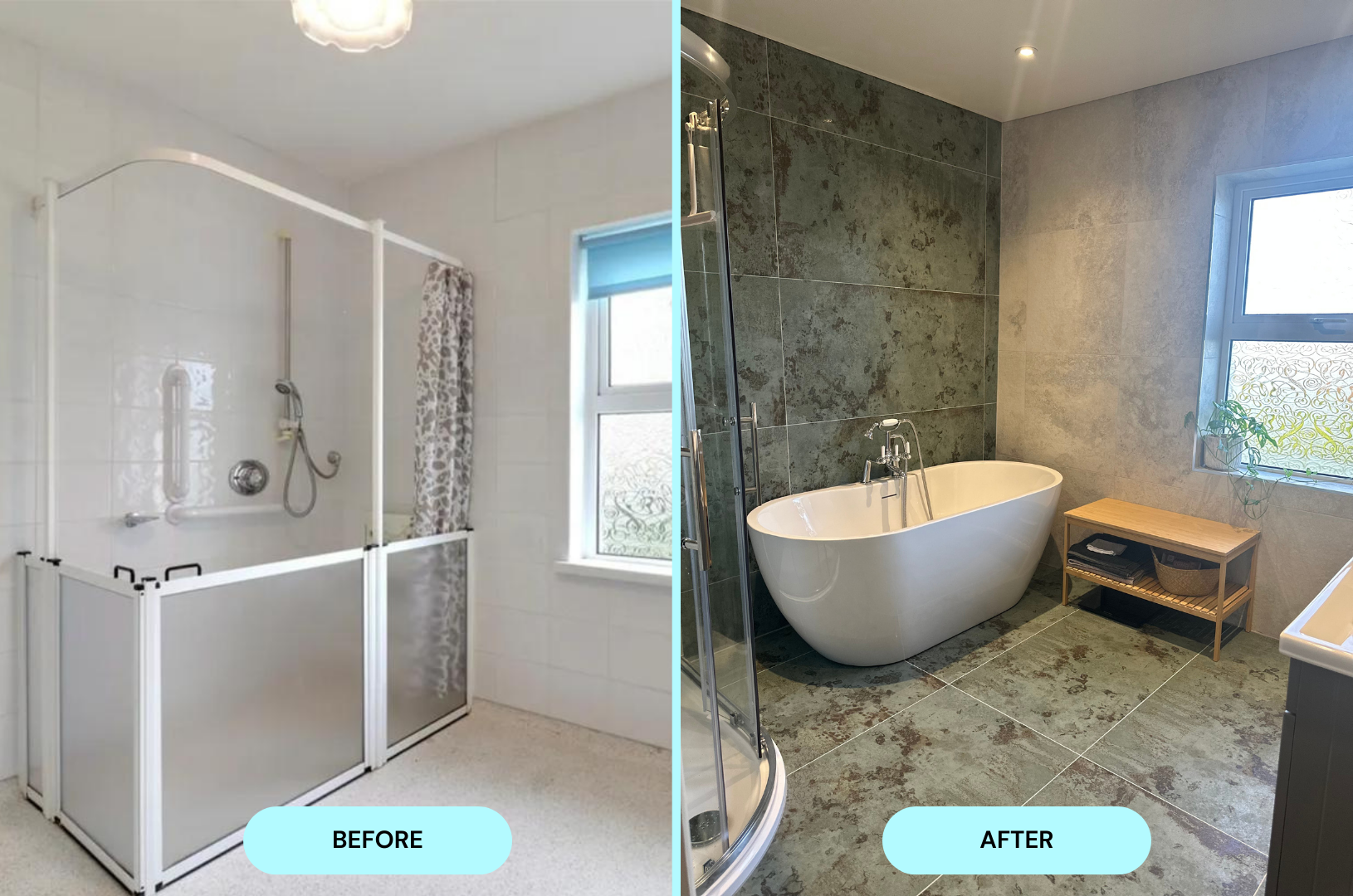
Bathroom refit costs vary widely depending on scope, materials, and labour requirements. There is no “one-size-fits-all” price, but understanding the main cost drivers helps set realistic expectations.
Key Factors That Affect Cost
-
Size of the bathroom
-
Quality of fixtures and fittings
-
Amount of plumbing alteration required
-
Condition of existing pipework
-
Tiling and finishing choices
-
Accessibility or specialist requirements
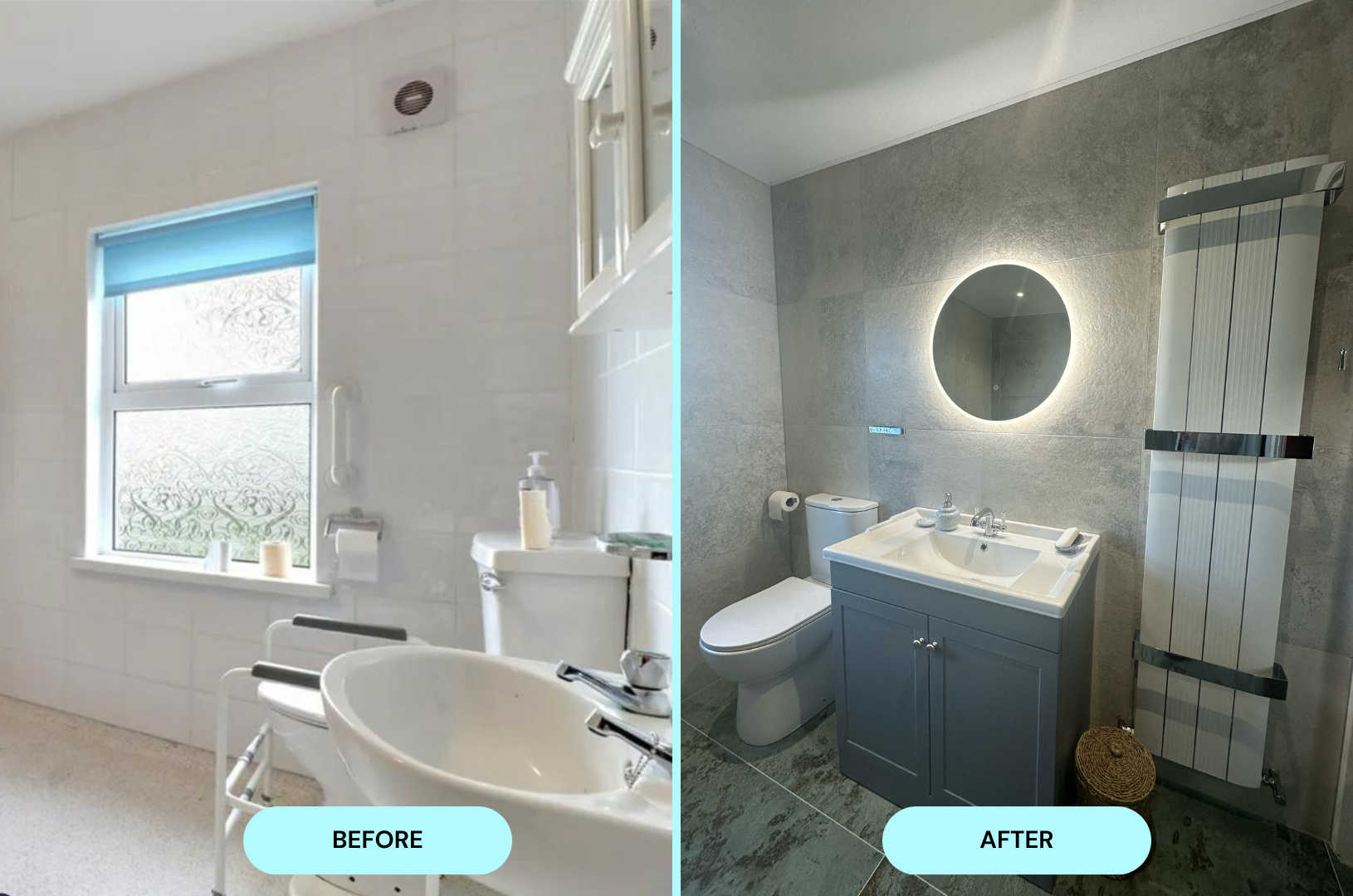
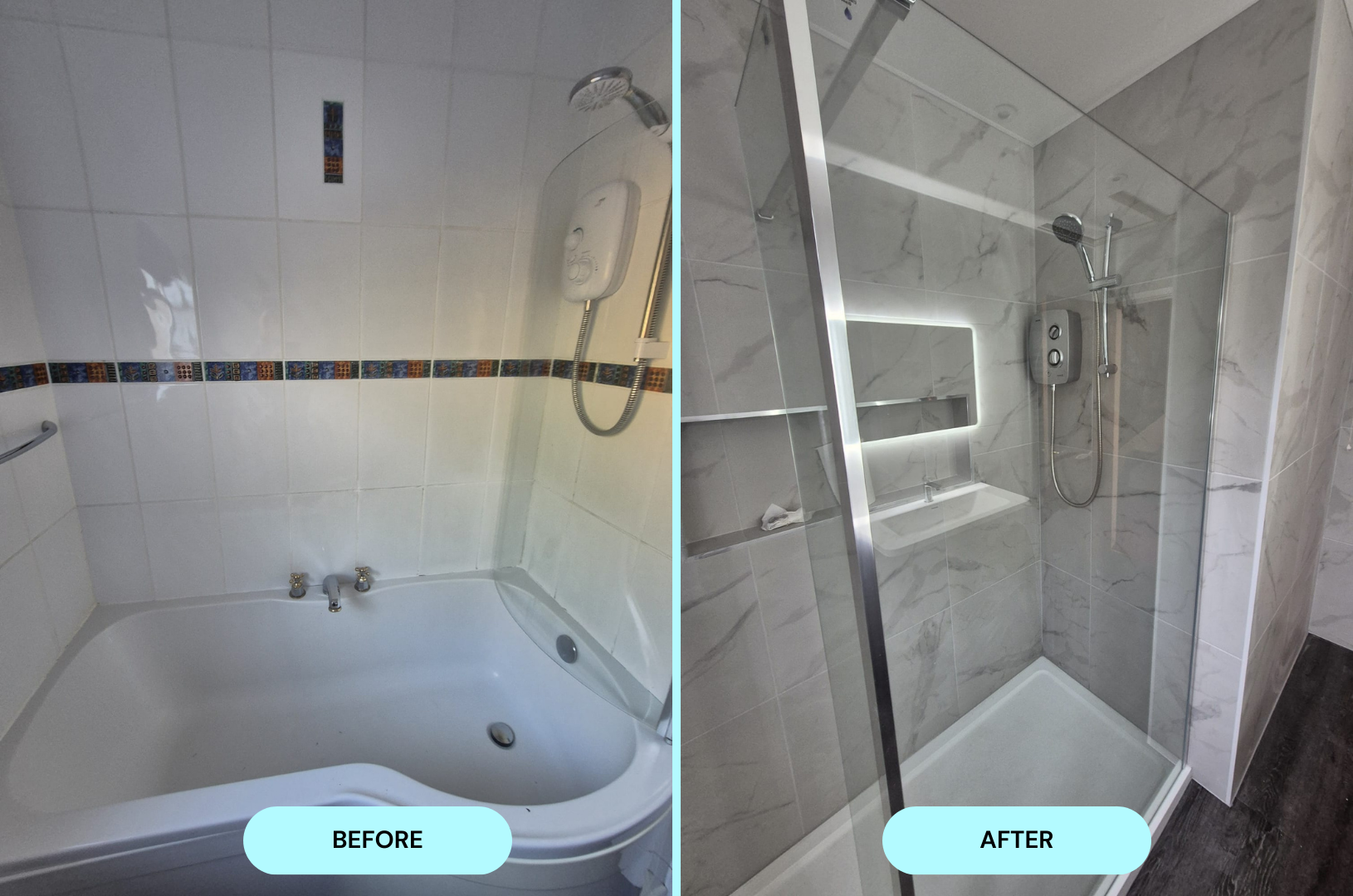
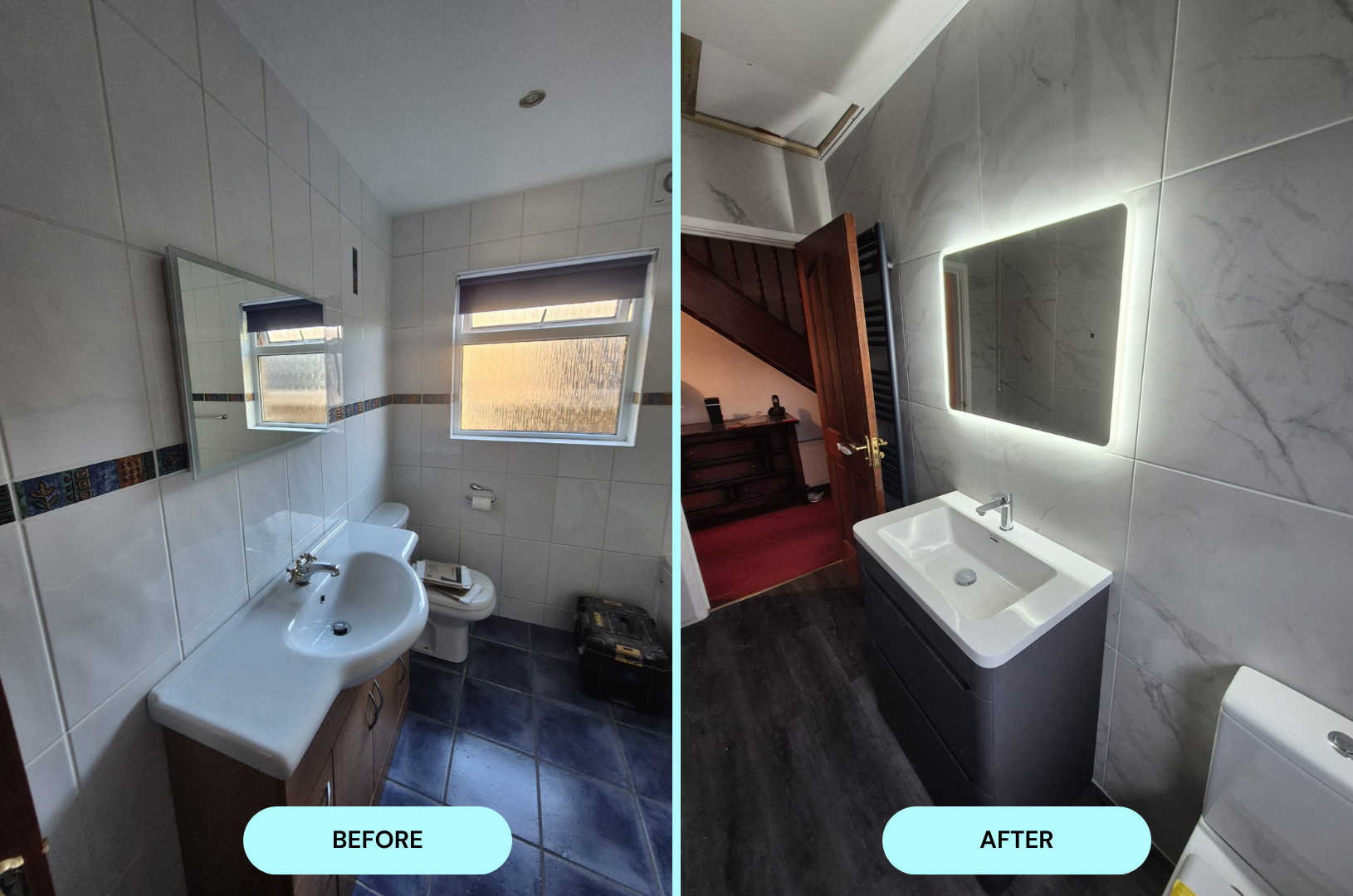
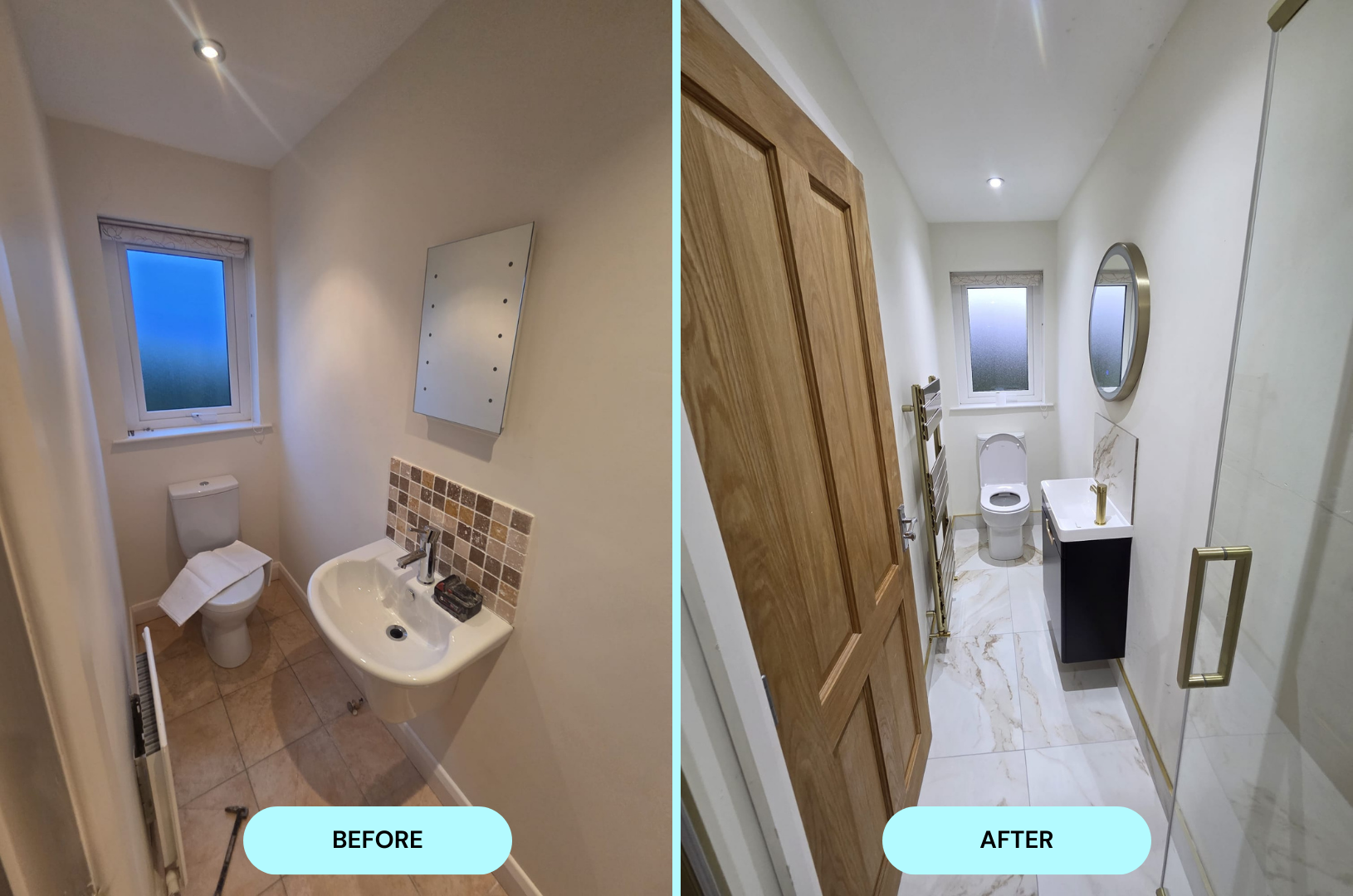
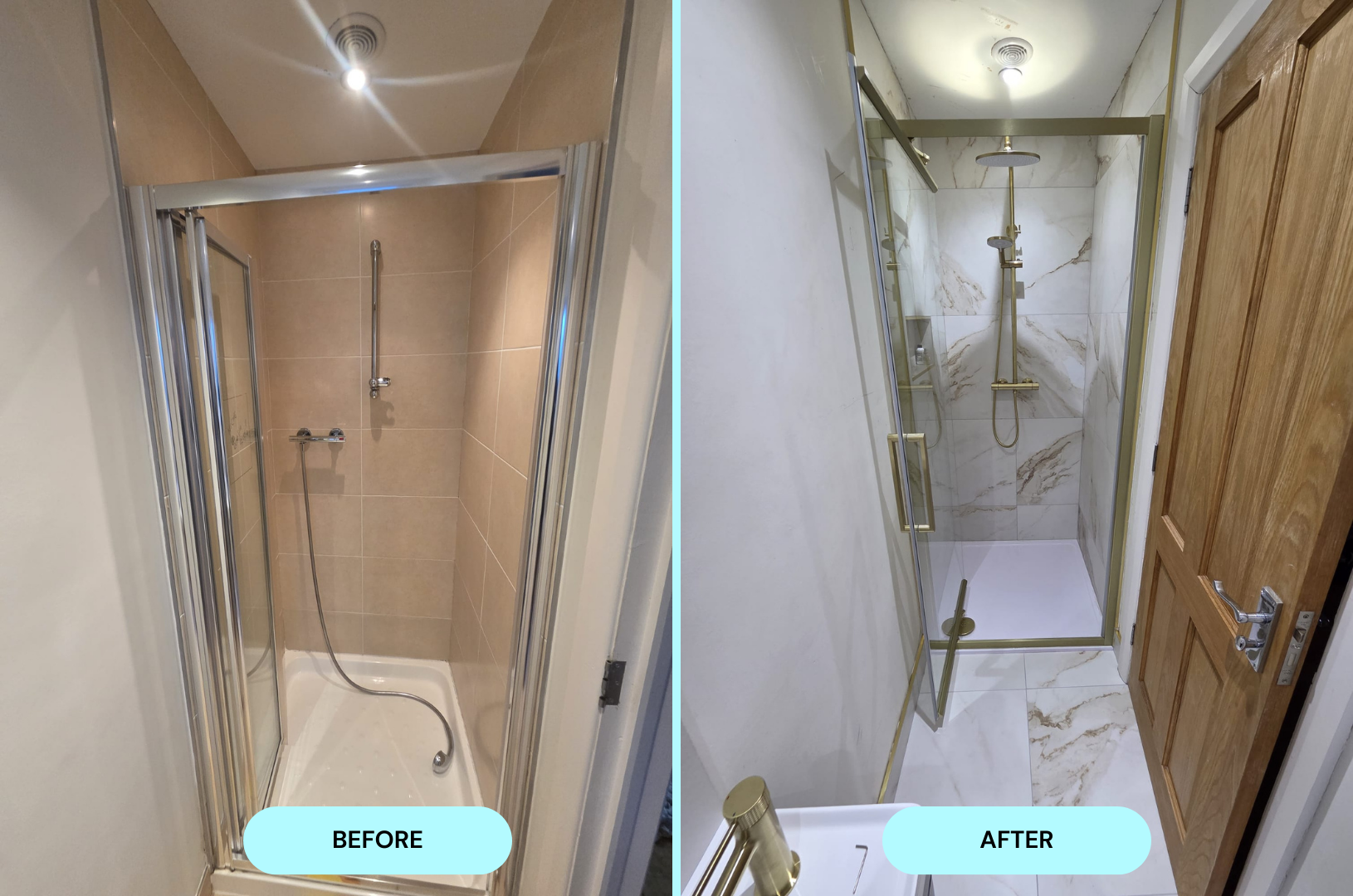
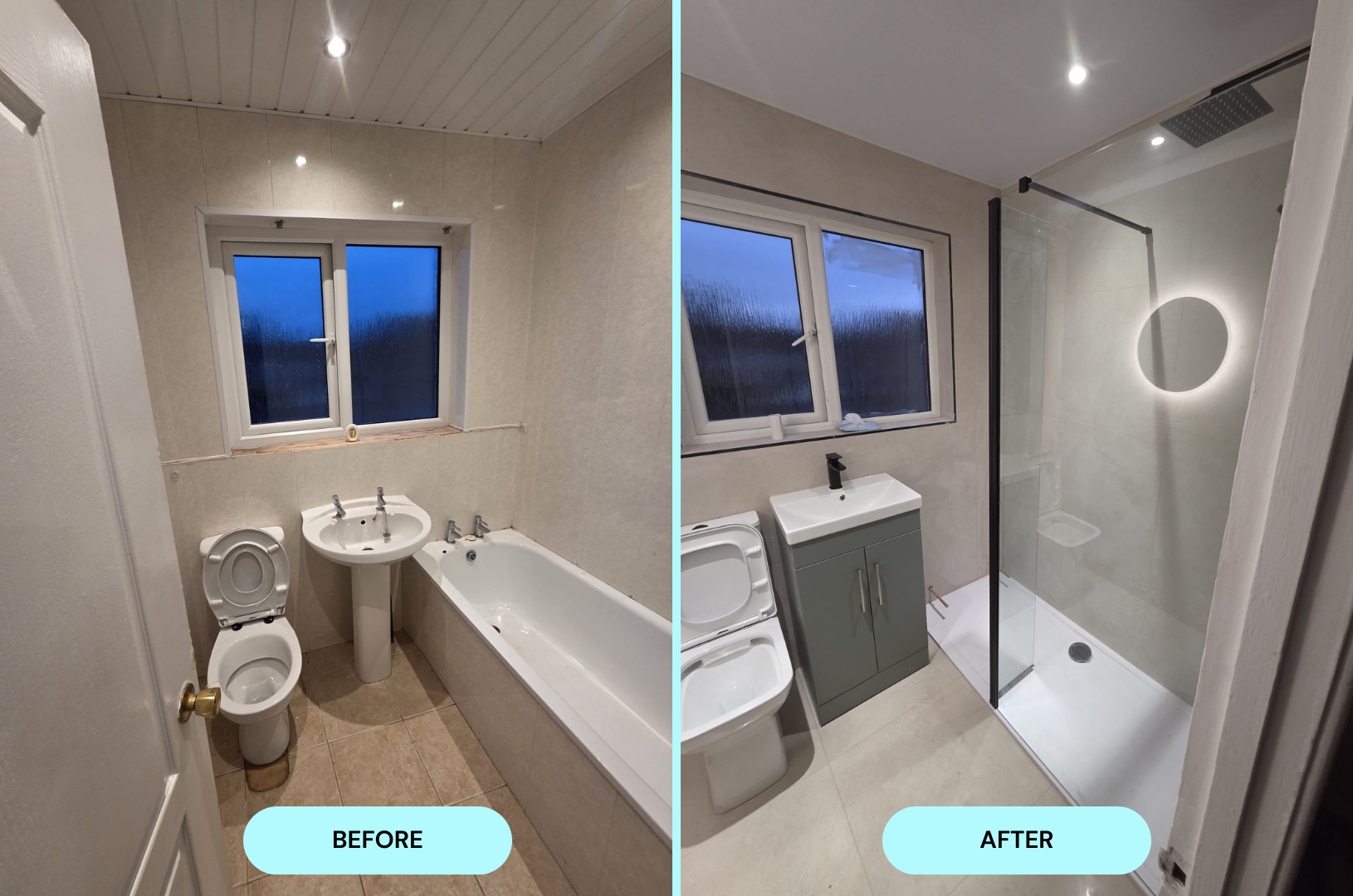
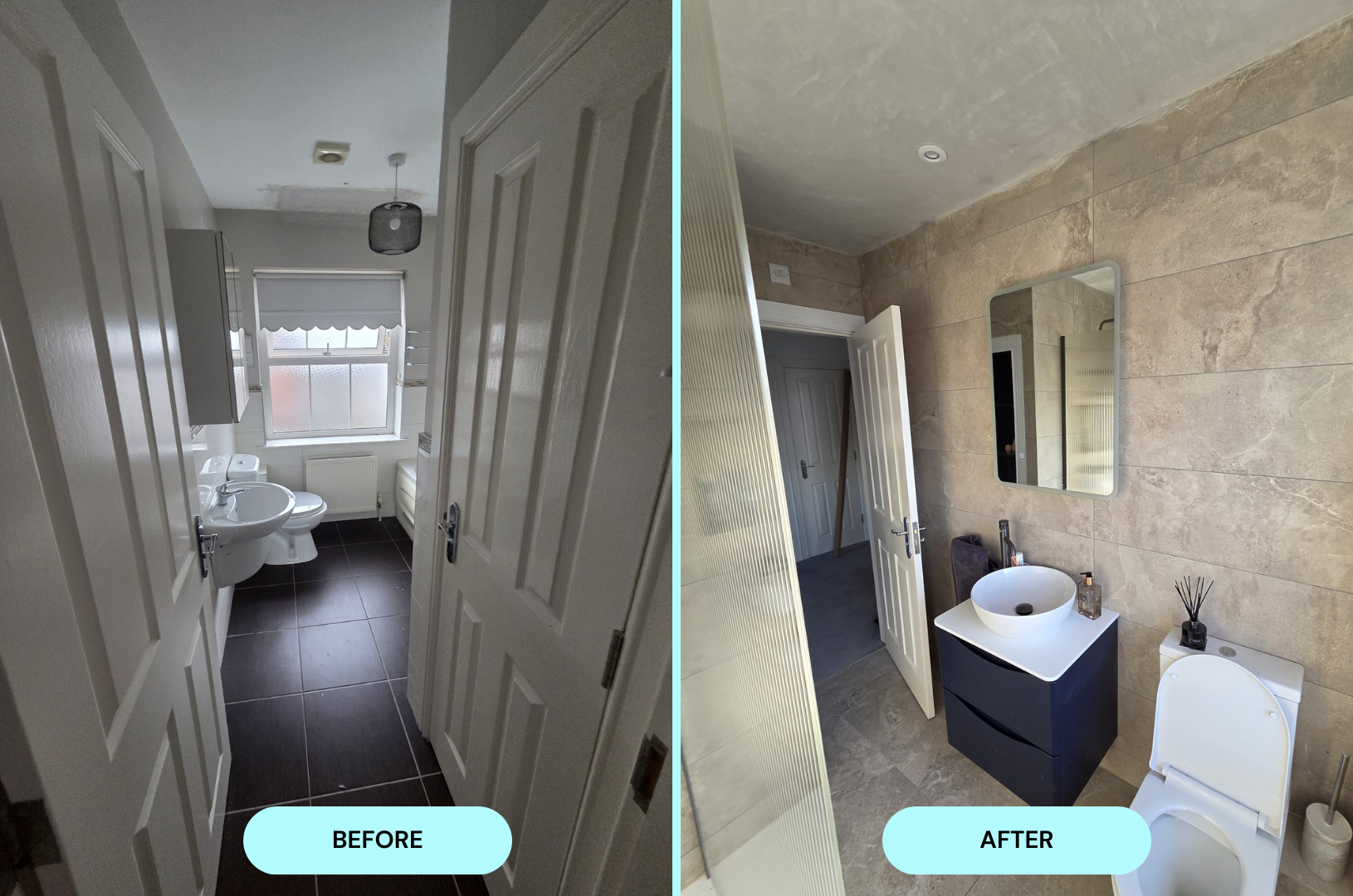
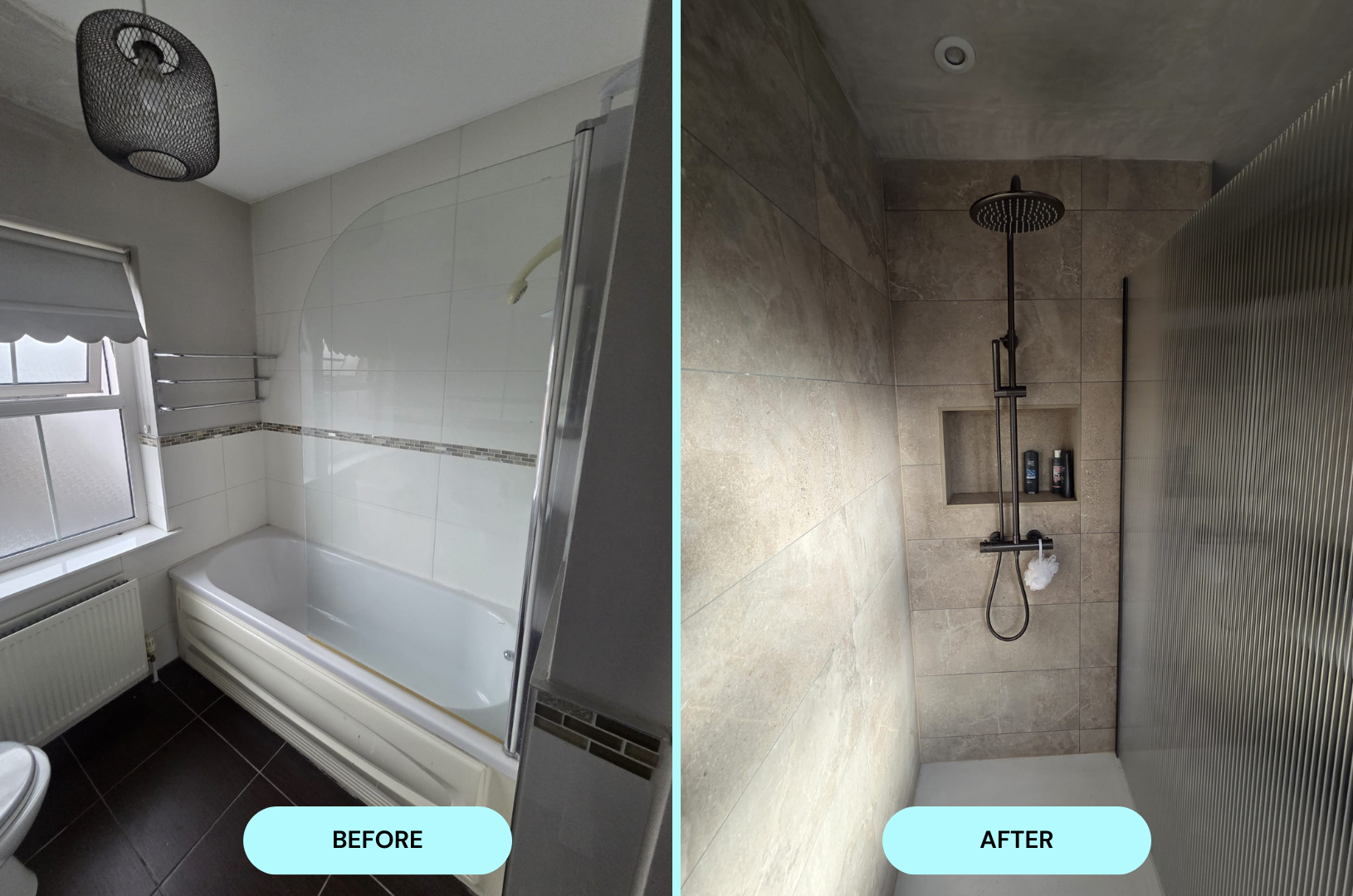
Typical Cost Ranges (Indicative)
While prices vary, typical bathroom refits in Northern Ireland may range from:
-
Basic refresh: replacing sanitary ware and fittings
-
Mid-range refit: new fixtures, tiling, and minor layout changes
-
Full refit: complete strip-out, pipework upgrades, layout changes, and premium finishes
A detailed quote after an on-site assessment is always essential.
Step 4: Choosing the Right Fixtures and Fittings
It’s easy to focus on appearance, but fixtures need to be practical as well as attractive.
Toilets and Basins
Consider:
-
Water efficiency
-
Ease of cleaning
-
Compatibility with existing plumbing
Wall-hung units can save space but may require additional structural work.
Baths and Showers
Key considerations include:
-
Available water pressure
-
Hot water capacity
-
Accessibility needs
A powerful shower is only possible if the system supports it – something a plumber should check before installation.
Taps and Controls
Cheap taps often fail early. Quality fittings last longer and perform better, especially in hard-water areas.
Step 5: Plumbing Upgrades – The Hidden but Critical Element
Many older properties in Northern Ireland still have aging pipework. A bathroom refit is often the best time to address these issues.
Plumbing upgrades may include:
-
Replacing old copper or plastic pipes
-
Improving isolation valves
-
Upgrading waste pipes
-
Resolving pressure imbalances
Skipping plumbing upgrades to save money can be a false economy.
Step 6: Ventilation and Moisture Control
Bathrooms produce large amounts of moisture. Without proper ventilation, this can lead to mould, peeling paint, and long-term damage.
Good ventilation involves:
-
Adequately sized extractor fans
-
Correct placement
-
Ducting to external vents
This is especially important in windowless bathrooms and en-suites.
Common Bathroom Refit Mistakes to Avoid
Mistake 1: Rushing the Planning Stage
Skipping proper planning leads to:
-
Poor layouts
-
Unexpected costs
-
Regret over fixture choices
Time spent planning saves time later.
Mistake 2: Choosing Price Over Quality
The cheapest option often costs more in the long run due to repairs or replacements.
Mistake 3: Ignoring Water Pressure and System Limits
Installing fixtures your system can’t support leads to disappointment and rework.
Mistake 4: Poor Coordination Between Trades
Bathroom refits often involve multiple trades. Poor coordination causes delays and mistakes.
Working with a plumber who manages or coordinates the process helps avoid issues.
Mistake 5: No Contingency Budget
Unexpected issues can arise once work begins. A contingency helps manage this without stress.
Bathroom Refits for Rental Properties and Businesses
Bathrooms in rental and commercial properties have different priorities.
Key considerations include:
-
Durability
-
Ease of maintenance
-
Compliance with regulations
-
Fast turnaround
Simple, robust designs often provide the best long-term value.
How Long Does a Bathroom Refit Take?
Timeframes depend on scope, but typically:
-
Minor upgrades: a few days
-
Standard refit: 1–2 weeks
-
Full refit with layout changes: longer
Clear scheduling and communication help minimise disruption.
Why Use a Local Plumbing Professional?
Working with a local sole trader offers:
-
Direct communication
-
Accountability
-
Familiarity with local property types
-
Flexible, personal service
You deal directly with the person responsible for the work.
Bathroom Refits Across Northern Ireland
Countrywide Plumbing & Bathrooms NI provides bathroom refits and plumbing services for:
-
Homeowners
-
Landlords
-
Small businesses
-
Commercial premises
Each project is approached with care, clear communication, and professional standards.
Start Your Bathroom Refit With Confidence
A bathroom refit doesn’t need to be stressful. With proper planning, realistic budgeting, and professional plumbing support, it can be a smooth and rewarding project.
CTAs:
🛁 Book a consultation to discuss your bathroom refit
📞 Call now for practical advice
Quality workmanship, honest guidance, and reliable results – from planning to completion.